wellness
Drink Up, South Bank: What the Local Climate Is Actually Doing to Your Hydration
With temperatures pushing into the low 20s even in winter and indoor venues running full heating, South Bank residents are dehydrating faster than they think, here's what the evidence says about fixing it.
Listen in English · 4 min
How we reported this
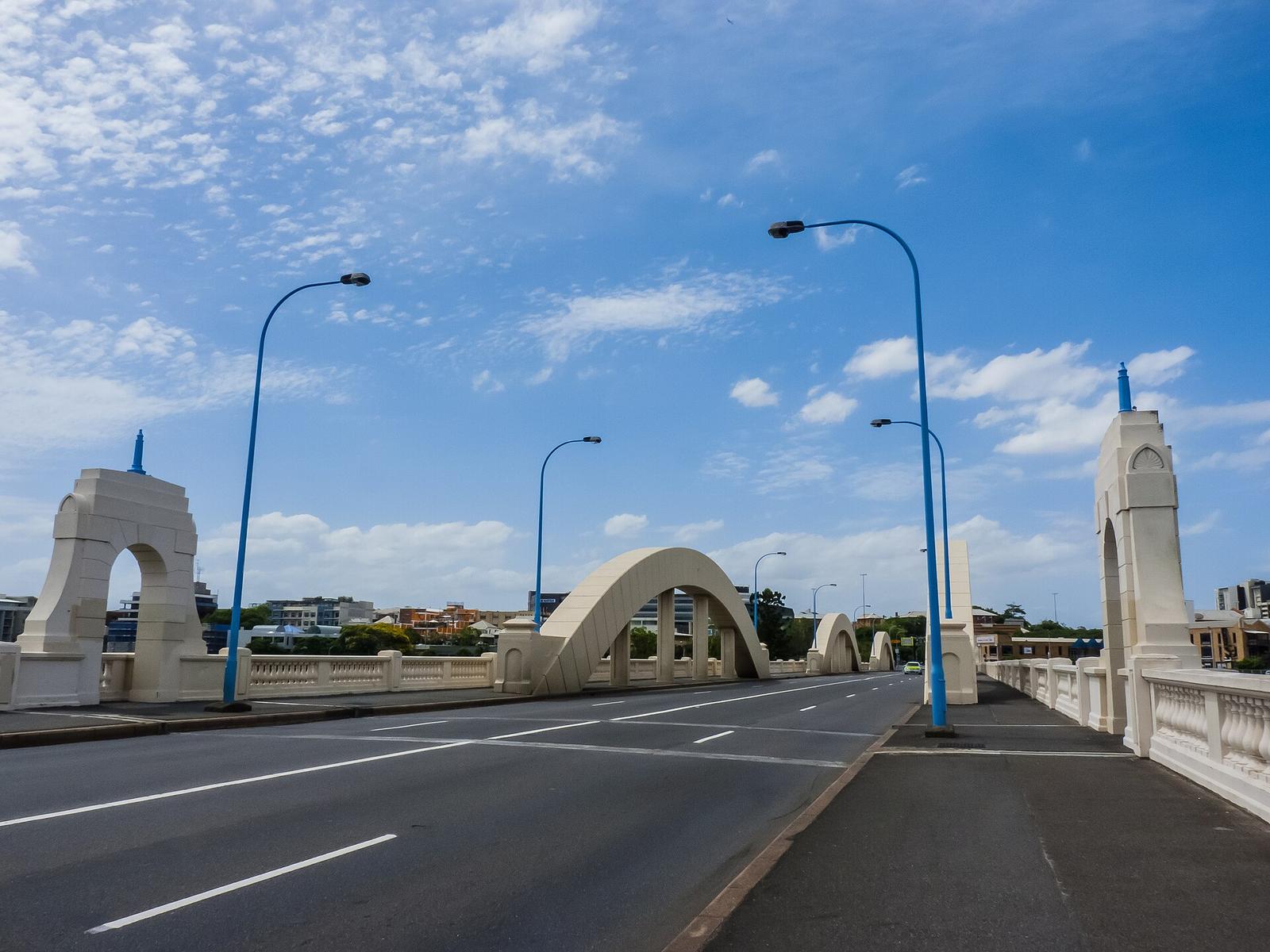
South Bank's wellness culture runs on cold-press juice, oat flat whites and morning river walks, but local dietitians are flagging a gap between the neighbourhood's health-conscious reputation and one of the most basic physiological needs: adequate daily fluid intake. The gap, they say, is widening right now, in July.
Winter in South Bank is deceptive. The temperature along the riverfront precinct might sit at 12 degrees Celsius by 7am, but the combination of low ambient humidity, strong westerly winds off the river corridor, and heavily heated indoor environments, gyms, offices, the South Bank TAFE campus on Grey Street, means the body loses moisture faster than most people register. Thirst, which is a lagging indicator of dehydration, often doesn't kick in until a person is already one percent below optimal fluid balance. That one percent is enough to blunt concentration and increase fatigue.
How Much Is Actually Enough?
The European Food Safety Authority's 2010 guidelines, still the most widely cited benchmark in clinical nutrition, set adequate intake at 2 litres per day for adult women and 2.5 litres for adult men, covering all fluid sources including food. That figure assumes a temperate environment. Throw in a 45-minute Pilates session at one of the South Bank Fitness Centre's morning classes, or a lunch-break walk through Goodwill Bridge and back, and the requirement nudges up by 400 to 600 millilitres depending on sweat rate and body mass.
The caffeine question matters here too. South Bank's café strip along Little Stanley Street does a roaring trade in espresso-based drinks from 7am onwards. Caffeine at moderate doses, under 400mg daily, roughly three standard espressos, does not cause net dehydration in habituated drinkers, according to a 2014 meta-analysis published in PLOS ONE. The myth that coffee "steals" water from your system has been largely debunked. What it doesn't do, however, is replace plain water's role in supporting kidney filtration, skin barrier function, and joint lubrication.
Electrolytes become relevant for anyone moving through the neighbourhood with physical intent. Sodium, potassium, and magnesium are lost through sweat even in cool weather. The Farmers' Market held each Friday morning at the Cultural Forecourt on the riverfront sells electrolyte-dense produce, coconut water, leafy greens, citrus, at prices starting around $3.50 per item. The Collective Markets on the weekend precinct also stock several local producers of low-sugar electrolyte sachets, typically retailing between $2 and $4 per serve, which compare favourably to the $5.50-plus sports drinks in most convenience stores nearby.
What to Actually Drink, and When
Practical sequencing matters more than most people realise. Starting the day with 300 to 500 millilitres of plain water before the first coffee is a widely supported strategy, the body loses roughly 500ml overnight through respiration alone. Herbal teas count toward the daily total and carry no caffeine burden; the Wednesday wellness pop-up at the South Bank Parklands near the Stanley Street Plaza entrance regularly stocks local hibiscus and ginger blends that double as anti-inflammatory options.
For those using the outdoor exercise equipment along the riverfront boardwalk between Clem Jones Promenade and the Wheel of Brisbane, the nearest water refill station sits adjacent to the beach precinct. It is free, functional, and, according to the precinct's last published maintenance log from March 2026, serviced quarterly. Carrying a 750ml reusable bottle and refilling twice across a two-hour outdoor session is a reasonable target for an active adult in current conditions.
The broader point is structural. South Bank's density of wellness options, from the QPAC-adjacent yoga studios on Russell Street to the boardwalk running routes, creates real daily opportunity to treat hydration as a practice rather than an afterthought. Booking a consultation with a registered dietitian through one of the South Bank GP clinics on Grey Street is the right call for anyone with a specific health condition or training load that changes the picture significantly. For everyone else, the formula is simpler than the supplement industry would prefer: water first, often, and before you feel thirsty.