wellness
West End's Mild Winters Trick Residents Into Forgetting Hydration
West End's winters are mild enough to fool you into forgetting your water bottle, and that seasonal complacency is quietly catching up with locals.
How we reported this
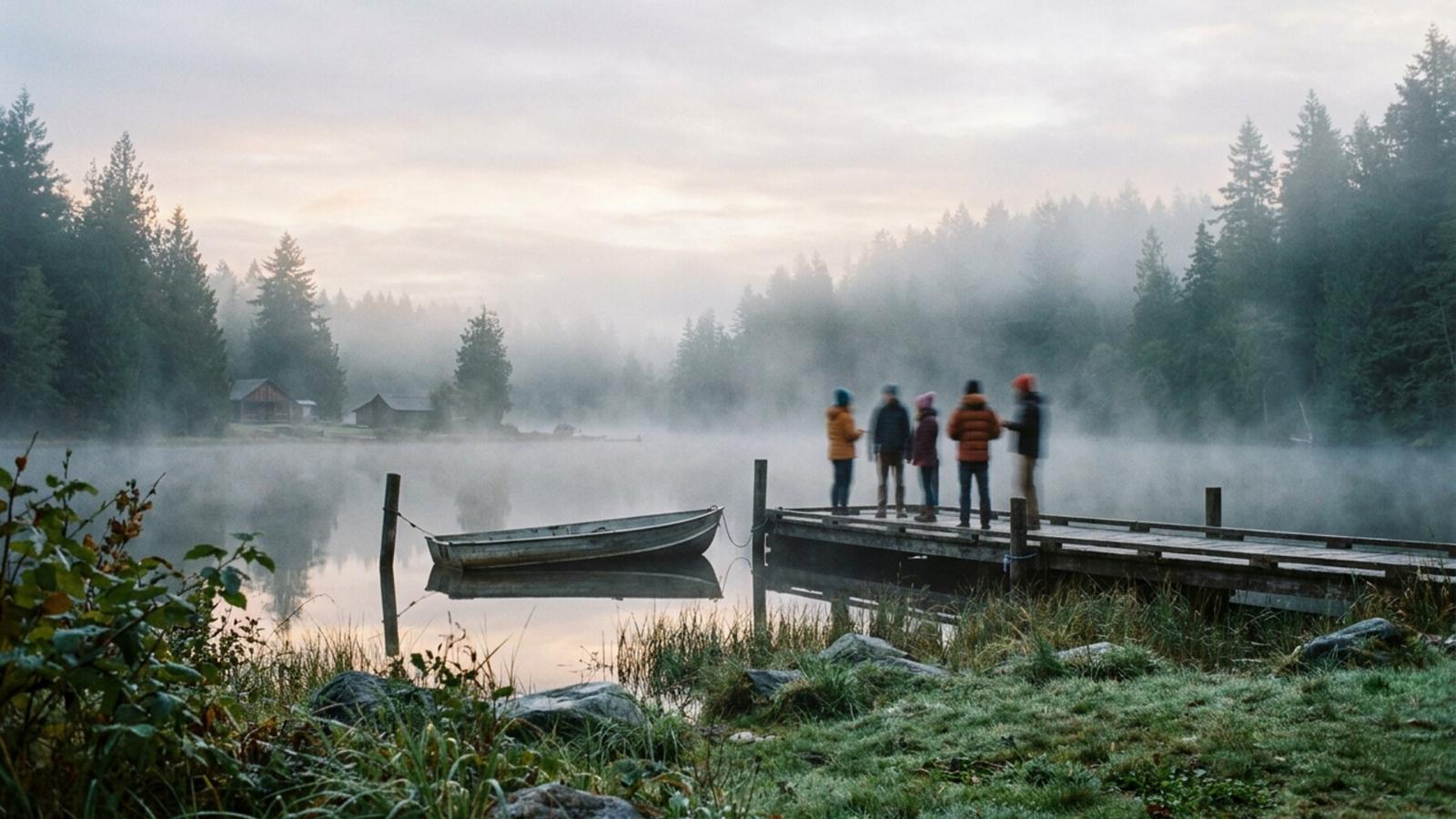
July in West End sits at an awkward intersection. Mornings on Boundary Street drop to around 11°C, woolly jumpers come out, and the instinct to reach for a glass of water largely disappears. But afternoon temperatures regularly climb back into the low-to-mid 20s, and the suburb's famously active population, weekend cyclists on the Bicentennial Bikeway, yoga practitioners at West End Community House on Mollison Street, market-goers at Davies Park, is quietly running a hydration deficit that most people don't notice until they're already behind.
This matters now because winter is the season when mild dehydration becomes chronic and invisible. There's no sweat dripping down your back to remind you. The European Food Safety Authority's 2010 reference values, still the most widely cited benchmark, set adequate daily water intake at 2 litres for women and 2.5 litres for men from all food and drink sources combined. Sports medicine practitioners consistently note that by the time thirst registers, the body is already 1-2 percent dehydrated, enough to affect concentration and energy. In a suburb where a significant slice of residents walk or cycle to work along Vulture Street, that's not a trivial margin.
What the local landscape actually offers
West End is better placed than many inner suburbs to make hydration easy. The Brisbane City Council's network of free drinking fountains includes stations at Musgrave Park on Edmonstone Street and along the South Bank riverside path at the suburb's eastern edge, both within a 15-minute walk of most West End addresses. Carrying a reusable bottle and topping up at either point costs nothing.
For those who prefer something with a bit more going on, the neighbourhood has developed a genuinely strong kombucha and cold-brew culture. The Collective Markets at Davies Park, which runs every Saturday morning from 6am, reliably features two or three vendors selling fermented drinks, water kefir and coconut water alongside the usual produce. Coconut water carries roughly 600mg of potassium per 250ml serve, useful for anyone doing a sweaty parkrun on Saturday morning and wanting electrolyte replacement without reaching for a sports drink loaded with added sugar. Prices at the markets for a 300ml kombucha typically sit between $5 and $7.
The West End Community House, which runs its popular Wednesday morning community breakfast on Mollison Street, has in recent months incorporated hydration information into its broader wellness programming, a practical acknowledgement that eating and drinking well aren't separable questions.
The drinks worth reconsidering
Herbal teas deserve more credit in the winter hydration conversation than they typically receive. Properly brewed, not the stewed, over-steeped version served in a hurry, a peppermint or ginger tea counts toward daily fluid intake exactly as water does, with the added benefit of warmth that makes drinking feel rewarding when temperatures drop. The small independent grocers concentrated along Boundary Street and Vulture Street generally stock loose-leaf options at prices competitive with supermarkets; a 100g bag of organic peppermint from one of several bulk-food stores in the precinct runs around $6 to $8 and makes approximately 40 cups.
Coffee and alcohol are the recurring complicating factors. A standard black coffee has a mild diuretic effect at high doses but at one or two cups a day, the average for most adults, contributes net fluid. Alcohol is a different story; even two standard drinks increases urine output enough to require compensatory water to stay even. Winter evenings at the Boundary Hotel or Archive Beer Boutique on Brunswick Street are a West End staple, and there's no reason to skip them, but matching each drink with a glass of water is the kind of simple arithmetic that makes a genuine difference by morning.
The practical takeaway is straightforward. Set a baseline of six to eight glasses of water daily, supplement with herbal teas and whole foods with high water content, cucumber, citrus, leafy greens are all well-represented at West End's weekend markets, and treat electrolyte drinks as a tool for post-exercise recovery rather than an everyday habit. If in doubt about your personal hydration needs, particularly if you're managing any ongoing health condition, a conversation with a GP or accredited practising dietitian at one of the suburb's local clinics will always give you better guidance than any general benchmark can.